LIS, RIS, BBIS, APLIS, EMR Medical Information Systems
LIS, RIS, BBIS, APLIS, EMR, are abbreviations of Medical Information Systems, used internationally. Find below the abbreviation and the corresponding information system:
| LIS | Laboratory Information System |
| RIS | Radiology Information System |
| AP-LIS | Anatomic Pathology Laboratory InformationSystem” (Histology and Cytology) |
| BBIS /BBMS | Blood Bank Information (or Management) System |
| EMR | Electronic Medical Record |

LIS : Manage Laboratory Data
A Laboratory Information System (LIS) is a specialized software designed for clinical labs to manage, track, and store patient data, test orders, and results. It improves efficiency through automation, ensuring quality control, and integrating with electronic health records (EHR). Key functions include specimen tracking, reporting, and regulatory compliance.
- Coordinates the entire lab process from order entry to final report delivery.
- Interfaces with analytical instruments for direct data loading.
- Manages compliance reporting and monitors testing accuracy.
- Tracks samples throughout their lifecycle.
- Features like multifactor authentication and user roles
RIS : Manage Radiology Data
A Radiology Information System (RIS) is specialized software used by radiology departments to manage patient data, imaging workflows, scheduling, and reporting. It acts as the operational backbone of imaging departments, streamlining tasks from patient check-in to final reporting and billing.
- Tracks patients from admission to discharge
- Books appointment scheduling and keeps visit history.
- Manages imaging orders, technologist worklists, and study tracking.
- Facilitates the creation, distribution, and storage of radiology reports.
- Handles electronic payments, insurance claims, and automated billing.
- Integrates with PACS (Picture Archiving and Communication System) for images
- Integrates with HIS (Hospital Information System) for patient records.
AP-LIS : Manages Anatomic Pathology – Cytology Data
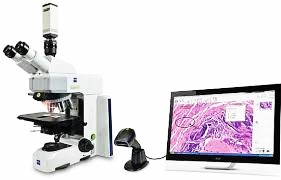
An Anatomic Pathology Laboratory Information System (AP-LIS) is a specialized software platform designed to manage the entire workflow of pathology labs, including specimen tracking, accessioning, grossing, histology, reporting, and archiving. Unlike general LIS, AP-LIS focuses specifically on tissue samples from biopsies or surgeries.
- Tracks the complete lifecycle of a sample from receiving to final storage (block and slide tracking).
- Automates patient registration, case creation, and report generation using templates (macros) for faster turnaround.
- Streamlines histology tasks and provides work-in-progress (WIP) tracking.
- Connects with Electronic Medical Record (EMR) systems, laboratory instruments (block/slide writers), and digital pathology scanners.
- Facilitates the viewing and storage of Whole Slide Images (WSI) for remote diagnosis.
- Ensures adherence to regulatory standards.
BBIS : Manages Blood Bank and Blood Transfusion data
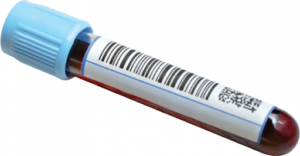
A Blood Bank System is a specialized, computerized platform designed to digitize and manage the entire lifecycle of blood products, from donor recruitment to patient transfusion. It streamlines inventory tracking, testing, donor registration, and distribution, ensuring safety, reducing wastage, and improving responsiveness to medical emergencies.
- Digital registration, health screening, and history tracking to maintain a reliable donor database.
- Real-time tracking of blood units, components (platelets, plasma, red blood cells), blood types, and expiration dates.
- Recording serology test results to ensure all blood components are screened for infectious diseases before distribution.
- Managing requests from hospitals, tracking issued units, and enabling efficient dispatch.
- Generating reports on stock levels, transfusion statistics, and donor demographics.
- Secure, centralized storage for donor info, test results, and stock.
- Used to reduce human error during collection, testing, and transfusion.Interface with Hospital Information Systems.
EMR : Manages Electronic Medical Record
An Electronic Medical Record (EMR) system is a digital platform used by healthcare providers to store, manage, and organize patient medical information, replacing traditional paper charts. EMRs contain a patient’s medical history, diagnoses, medications, treatment plans, and laboratory test results, enabling authorized personnel to easily access and update records.
- EMRs are typically used within a single clinic or hospital for daily clinical operations, whereas Electronic Health Records (EHR) are designed for interoperability across multiple providers.
- Data entry (medical history, prescriptions), secure storage (cloud or server-based), data organization, and rapid retrieval.
- Enhanced patient care through better information access, improved clinical workflows, reduced medical errors, and increased efficiency.
- Many modern systems incorporate AI scribes to automate notes, e-prescribing, and patient portals for appointment scheduling.
Laboratory Information System
“MediLab L.I.S.”
One of the most robust, productive and complete LIS solutions available today in Europe with a flexible and rapid system of implementation at any laboratory environment.

Radiology Information System
“MediRIS”
‘MediRIS’ services every radiology department and manages all radiology operations. It uses voice recognition and interoperates through HL7 messages with all major PACS systems.

Blood Bank Information System
“e-AIMA”
‘e-AIMA’ manages all information related to every aspect of blood banks, such as donor administration, hematology and immunology tests, component management, cross matching, transfusions, blood issues, and inventory management.

Electronic Medical Record
‘MediFile EMR’
Electronic Medical Record is a web based platform with enhanced capabilities. It offers access to users via mobile devices and interoperability via HL7. A consistent solution for managing and archiving patients’ healthcare record.
Interconnection of the systems LIS, RIS, BBIS, APLIS, EMR
While each of these systems has its own distinct role, it’s crucial to recognize that their interconnection result in better patient healthcare. Together, they streamline operations and ensure that medical professionals have access to the data they need when they need it. So, while the acronyms might seem overwhelming at first, understanding the distinctions and synergies between them is fundamental for any healthcare professional.

